
Every smart shopper knows these tricks to get the best deals,let us show you how.
In the UAE, discounts aren’t just for the holidays,they’re available year-round. The trick is knowing when to shop and how to use the right deals to your advantage in order to score maximum discounts.
With these 9 expert strategies, you’ll learn how to make the most of every sale and promotion in 2026, ensuring you always get the best price and the maximum discounts possible.
Let’s dive in and discover the top strategies that will help you save big throughout 2026.
1. Master the UAE Sale Calendar Before You Buy
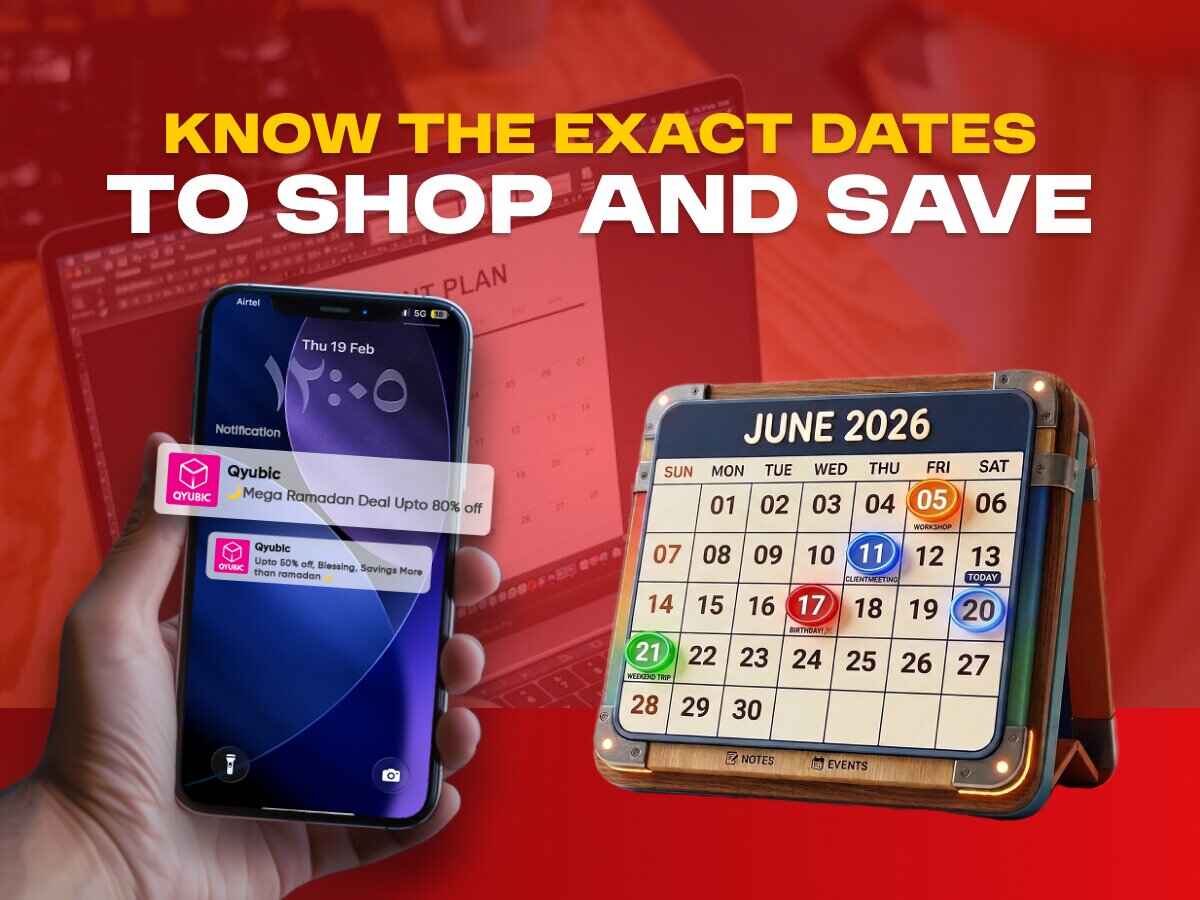
One of the easiest ways to get maximum discounts in the UAE is to know when prices are likely to fall. Many major sale periods in the UAE bring sharp price drops across fashion, electronics, groceries, and home items. If you buy without tracking these windows, you may end up paying full price for something that could have been much cheaper a few weeks later.
Key UAE Sale Events to Know
| Sale Period | Typical Timing | Key Product Categories |
| Dubai Shopping Festival | December – January | Fashion, electronics, jewellery, home |
| Ramadan & Pre-Ramadan Sales | February – April | Groceries, kitchenware, home goods, personal care |
| White / Yellow / Black Friday | Late November | Electronics, fashion, home appliances |
| National Day & Year-End Sales | Late November – December | Electronics, furniture, home items |
These events matter because they don’t just bring price cuts. They also trigger bundled offers, cashback deals, limited-time vouchers, and clearance campaigns that can push total savings much higher.
How to Use the UAE Sale Calendar Strategically
- Build a personal sales calendar.
Mark the major UAE shopping windows in advance, including year-end festivals, Ramadan sales, late-November deal periods, and mid-year online sale events. - Match categories to sale periods.
Some events are stronger for electronics, while others perform better for groceries, home products, or fashion. This helps you buy at the right time instead of buying randomly. - Track weekly catalogues and rotating offers.
Many discounts run for only 7 to 14 days, especially in supermarkets and large retail chains. Missing the validity window often means losing the lower price. - Use price-tracking and deal-alert tools.
These tools help you compare offers, monitor price history, and avoid falling for fake discounts. - Plan bigger purchases in advance.
If you know you may need a phone, laptop, appliance, or furniture item in the coming months, it makes sense to wait for the next major sale window.
How Much Can You Save by Timing Your Purchases?
This strategy can make a major difference over a year. For example if a household shifts a few major purchases into the right sale periods, even a 25–30% reduction compared to regular pricing can translate into several thousand dirhams saved annually. During stronger sale windows, discounts can go much higher depending on the category and stock availability.
Common Pitfalls to Watch Out For
- Impulse buying during countdown sales can cancel out the savings.
- Waiting too long may mean popular models, sizes, or variants go out of stock early.
- Doorbuster offers are often limited in quantity, so not every shopper gets the advertised deal.
- Weekly catalogues expire quickly, and prices may return to normal once the campaign ends.
For a complete guide to Amazon’s 2026 sale dates and major shopping events, explore the full year-round calendar.
2. Stack Multiple Promotions for Bigger Savings
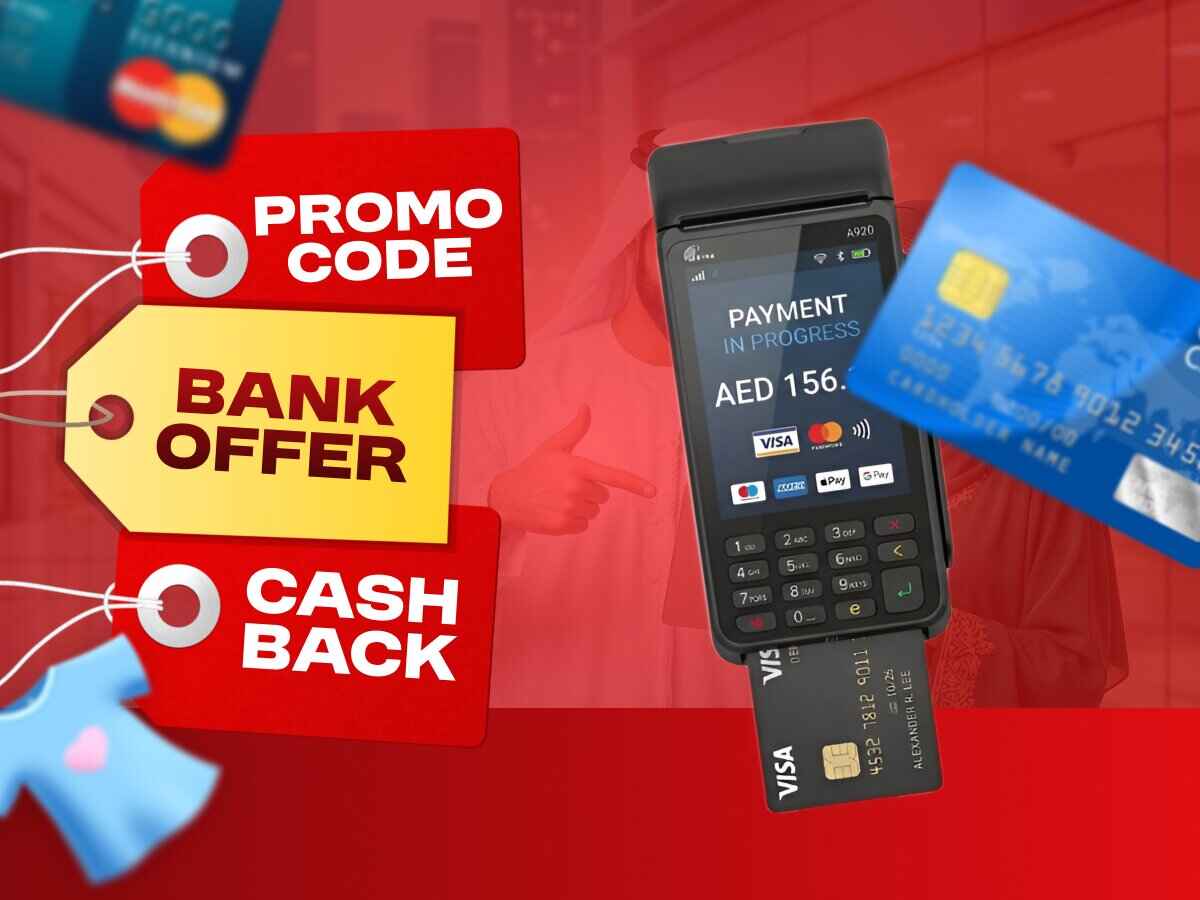
Another powerful way to maximize discounts is promotion stacking. Instead of relying on a single offer, smart shoppers combine several savings layers on the same purchase.
These layers can include sale prices, promo codes, cashback rewards, loyalty points, and payment card offers. When used together, they can significantly reduce the final checkout price.
For larger purchases, stacking multiple promotions can sometimes double the savings compared to using just one discount.
Where to Find Reliable Promo Codes
Promo codes are a key part of the stacking strategy, helping you save at checkout while working alongside other offers.
However, finding valid and working coupons can be a challenge. Many coupon websites list expired or outdated codes, leaving shoppers frustrated.
This is where QYUBIC simplifies things. Instead of bouncing between multiple websites, QYUBIC brings together verified promo codes from hundreds of online stores, covering categories like fashion, electronics, beauty, travel, and lifestyle.
With codes regularly updated and tested, you can quickly find working discounts and confidently apply them at checkout without wasting time searching.
If you’re unsure whether a code is legitimate, check this guide on how to avoid fake coupons and find real discounts before applying them.
How to Stack Promotions Step by Step
Stacking discounts works best when the offers are applied in the right order.
- Start with a sale price : Begin by shopping during major sale periods such as festival sales, seasonal promotions, or clearance campaigns. These events provide the deepest base discounts.
- Enter the store through a cashback portal : Before visiting the retailer, access the store through a cashback or rewards platform. This allows the platform to track your purchase and credit cashback after the order is completed.
- Apply a promo code during checkout : Once you reach checkout, apply a working coupon code. Platforms like QYUBIC make this step easier by providing updated discount codes from a wide range of online stores.
- Pay using a reward-based payment method : Finally, complete the purchase using a payment option that provides cashback, reward points, or partner discounts. This adds the final savings layer.
When these steps are combined correctly, multiple discounts can apply to the same order.
How Much Can You Save by Stacking Offers?
Stacking promotions can produce surprisingly large savings.
For example, a shopper might combine:
- a seasonal sale discount
- a promo code
- cashback rewards
- payment card benefits
Even modest savings from each layer can add up quickly. In many cases, the total discount becomes far greater than any single promotion offered by the retailer.
This strategy is particularly effective for high-value purchases such as electronics, appliances, or fashion orders.
Common Pitfalls to Watch Out For
- Cashback tracking can fail if you open multiple coupon websites during checkout.
- Returns or cancelled orders usually cancel cashback rewards.
- Some retailers limit the use of multiple coupon codes.
- Certain promotions override others instead of stacking.
3. Leverage Bank & Credit Card Offers Strategically
Another effective way to maximize discounts is by using the right payment card at the right time. Many banks partner with retailers to offer cashback, reward points, or instant discounts at checkout.
Cards from banks such as ADCB, First Abu Dhabi Bank (FAB), Emirates NBD, and Emirates Islamic commonly include these reward structures. When used strategically, these benefits can significantly reduce everyday expenses without changing how you normally shop.
How Bank & Credit Card Offers Work
Most cashback cards in the UAE follow a category-based reward system. This means certain purchases generate higher returns.
For example, some UAE cards offer:
- 5% cashback on groceries
- 4–6% cashback on dining
- 3–8% rewards on fuel
- 1–2% cashback on general spending
Some cards also provide exclusive discounts with retail partners, allowing shoppers to receive instant savings at checkout.
How to Use These Offers Strategically
Using payment card offers effectively is less about owning multiple cards and more about matching the right card to the right purchase.
1. Identify your biggest spending categories : Review your monthly expenses and determine where most of your spending goes. For many households, groceries, dining, and fuel account for the largest share.
2. Use category-reward cards for routine spending : Cards offering higher cashback on groceries or dining should be used consistently for those purchases to maximize rewards.
3. Take advantage of partner promotions : Some cards have partnerships with specific shopping platforms or retailers, offering additional cashback, points, or limited-time discounts.
4. Combine card rewards with other discounts : Payment card benefits can often be layered with sale prices, promo codes, or cashback portals. This creates another savings layer on top of existing offers.
How Much Can You Actually Save?
Even moderate cashback rates can produce meaningful savings over time.
For example, if a household spends around AED 2,000–3,000 per month on groceries and dining, a 5% cashback rate could return AED 100–150 monthly.
Over a year, that translates to AED 1,200–1,800 in savings, simply by using the right card for routine spending.
When combined with sale events, coupon stacking, and loyalty rewards, these payment benefits become an additional layer that further reduces the final purchase price.
Common Pitfalls to Watch Out For
- Monthly cashback caps may limit the maximum reward you can earn.
- Some rewards apply only to specific merchant categories.
- Promotional partnerships may run for limited periods.
- Carrying a credit card balance can lead to interest charges that cancel out the cashback benefit.
4. Maximize Loyalty Programs & Points
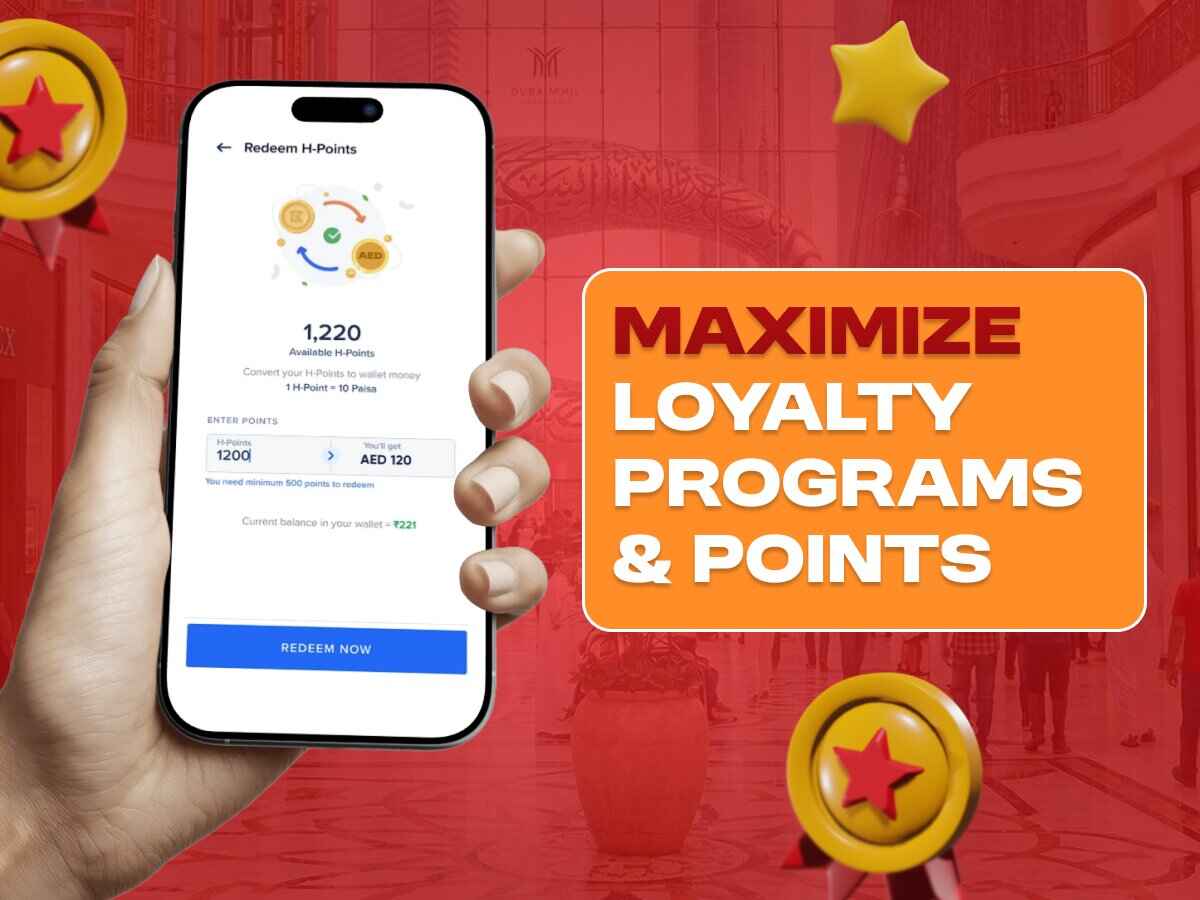
Many retailers and shopping destinations across the Emirates reward repeat customers through loyalty programs. These programs allow shoppers to earn points, unlock member pricing, or receive vouchers simply by purchasing everyday items.
Unlike seasonal sales that appear occasionally, loyalty rewards accumulate throughout the year. Over time, these small benefits can turn routine spending on groceries, household essentials, or lifestyle products into meaningful savings.
Large retail ecosystems such as SHARE (used across Majid Al Futtaim malls and Carrefour), LuLu Happiness, and U by Emaar allow customers to collect points on purchases and redeem them later for shopping, dining, or entertainment experiences.
How to Use Loyalty Programs Strategically
Getting the most value from loyalty programs is simple if you follow a few habits.
- Join the programs tied to stores you visit often
Most large hypermarkets and mall ecosystems offer free membership through their mobile apps. Signing up once allows you to collect points automatically whenever you shop. - Always scan your membership ID at checkout
Points are usually awarded on most purchases, but only if the membership code is scanned or linked during payment. - Combine member pricing with seasonal promotions
Some programs provide instant member-only discounts on selected items. These savings can stack with sale events or promotional campaigns. - Pool family accounts when available
Certain programs allow families to combine points from multiple members. This helps reach redemption thresholds faster. - Save points for larger purchases
Instead of redeeming points immediately, saving them for bigger purchases can offset a larger portion of the bill.
How Much Can You Save with Loyalty Programs?
To understand how loyalty rewards translate into real savings, consider a simple example using a popular hypermarket loyalty system such as LuLu Happiness / LuLuPoints.
Suppose a family spends around AED 2,000 per month at LuLu Hypermarket on groceries and household essentials. In the LuLu Happiness program, members earn 1 point for every AED 1 spent, and roughly 400 points convert to about AED 1 in value.
Over a month, that AED 2,000 spend generates around 2,000 points, which translates to roughly AED 5 worth of rewards. While that may seem small initially, the value increases when combined with member-only pricing discounts that can reach up to 10% on selected items.
For example, if member pricing saves AED 100 during the same monthly shopping trip, and points add another AED 5 in redeemable value, the family effectively saves AED 105 in one month.
Over a year, that could translate to AED 1,200+ in combined savings, simply by using the loyalty program during routine grocery shopping.
And when these benefits are combined with seasonal sales, coupons, or bank offers, the overall savings can become even larger.
Common Pitfalls to Watch Out For
- Points may expire if they remain unused for long periods.
- Some rewards apply only to specific products or categories.
- Redemption thresholds may require a minimum number of points before vouchers are issued.
- Forgetting to scan the membership ID means missing out on points entirely.
5. Unlock Exclusive & Hidden Discount Channels
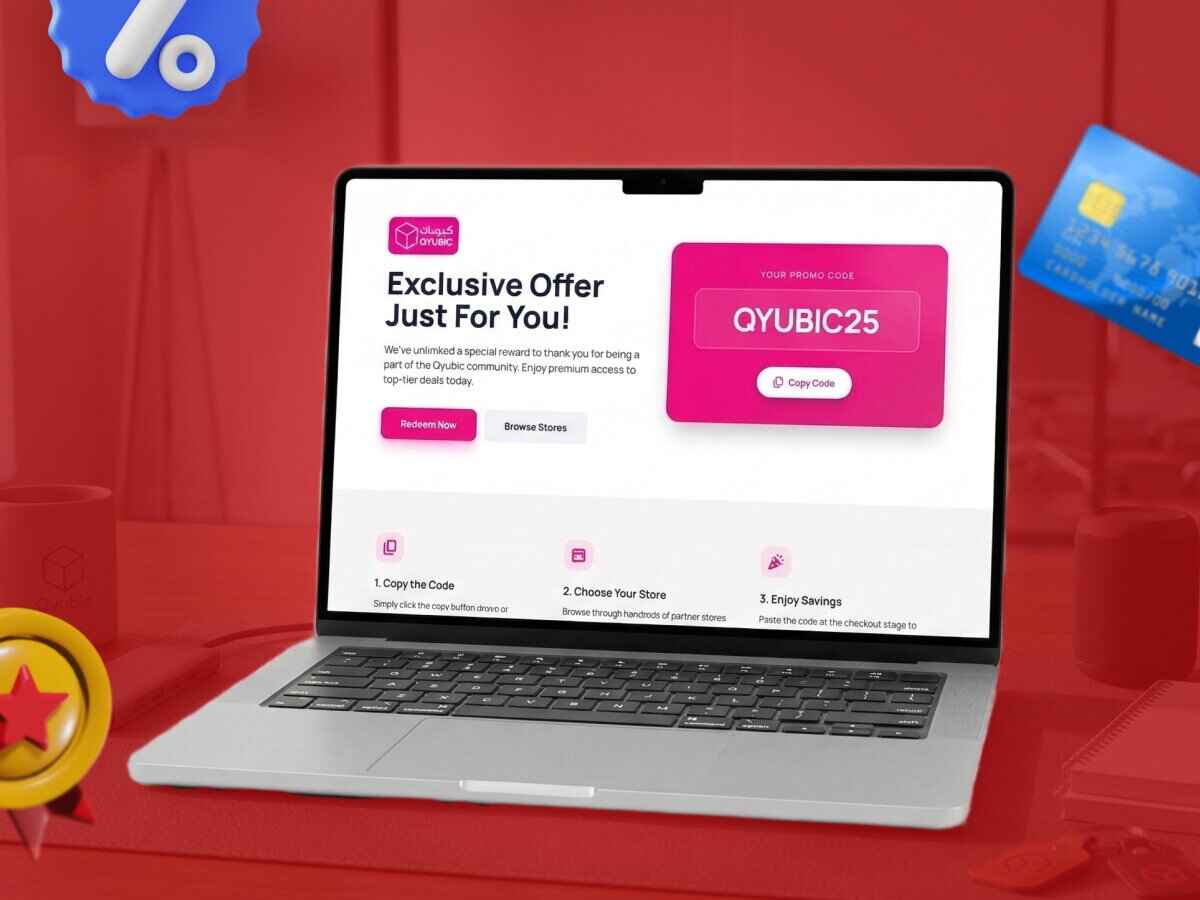
Some of the best deals are not visible to every shopper. Retailers often release additional discounts through private channels such as member programs, newsletters, or limited-access promotions.
These offers frequently provide extra savings on top of regular sales, sometimes reducing prices by another 10–30%. Because they are shared only with subscribers or members, fewer shoppers compete for them.
Common Exclusive Discount Channels
| Channel Type | How It Works | Example Benefits |
| Membership programs | Paid or free memberships that unlock early access to sales and special pricing | Early access to major sale events, member-only deals, free delivery |
| Newsletter promotions | Retailers send exclusive promo codes or private sale announcements to subscribers | Extra 5–10% off codes, early sale alerts |
| Influencer / social media codes | Limited-time promo codes shared through influencers or brand campaigns | Stackable discount codes during promotions |
Programs such as Amazon Prime UAE and Noon One often give members early access to major sale events, while some brands distribute newsletter-only discounts that are not visible on their public websites.
How to Access These Hidden Deals
1. Join membership programs if you shop frequently : Subscription programs often provide early access to sale events and additional discounts during major promotions.
2. Subscribe to retailer newsletters : Many brands send private coupon codes or sale alerts to their email subscribers.
3. Follow trusted deal sources : Some limited-time codes are released through influencers or social media campaigns before appearing publicly.
4. Watch for member-only sale days : Certain platforms run private sales events that are accessible only to subscribers.
How Much Can You Save with Exclusive Channels?
Exclusive promotions typically appear as extra discounts layered on top of existing sales.
For instance, a product already discounted by 30–40% during a seasonal sale may receive an additional 10–20% member-only reduction through a newsletter code or private promotion.
For shoppers who order frequently, membership programs can also reduce costs through free delivery and exclusive promotional pricing, which adds another layer of savings throughout the year.
Common Pitfalls to Watch Out For
While hidden channels can unlock strong deals, there are a few limitations.
- Member-only deals may sell out quickly due to early access.
- Some discounts apply only to selected categories or sellers.
- High-demand products like flagship phones or gaming consoles may not qualify for extra discounts.
- Subscription programs are worthwhile only if you shop often enough to recover the membership cost.
6. Leverage Recurring Sales Events for Maximum Savings

Not every discount opportunity comes from major annual festivals. Many retailers also run recurring promotional events throughout the year, giving shoppers predictable windows to plan their purchases.
These campaigns repeat monthly or seasonally, which means shoppers can anticipate when certain categories will go on sale instead of buying impulsively at full price.
Major Recurring Sales Events to Watch
| Recurring Event | Typical Timing | Best Use Case |
| Amazon Prime Day | Usually mid-year (around July) | Electronics upgrades, gadgets, appliances |
| Amazon Super Saver Week | Often 1st–7th of each month | Groceries, household essentials, baby products |
| Amazon Beauty Week | Around 20th–26th of the month | Skincare, cosmetics, fragrances |
| Noon One Day | Monthly (for Noon One members) | Online shopping across multiple product categories |
| Carrefour Payweek & Weekly Deals | Several times each month | Groceries, fresh produce, pantry restocks |
How to Track These Sales Efficiently
1. Set reminders for recurring sale windows
Many of these promotions follow predictable schedules each month.
2. Enable notifications in retailer apps
Retail apps often send push alerts when flash deals or recurring campaigns start.
3. Monitor weekly promotional catalogues
Hypermarkets frequently release short-term offers that rotate every 7–14 days.
4. Plan restocking around these promotions
Household items, groceries, and personal care products are often discounted during recurring campaigns.
How Much Can You Save with Recurring Events?
Recurring promotions are particularly useful for essential household spending.
For example, hypermarket campaigns like Payweek or weekly grocery deals may offer discounts of up to 40% on pantry staples, fresh produce, and household products. Families who plan their restocking around these windows can noticeably reduce their monthly grocery bill.
Similarly, member-focused events like Noon One Day can provide 30–75% discounts across multiple categories, along with additional cashback incentives for subscribers.
For shoppers like you who regularly buy groceries, beauty products, or household supplies, timing purchases with these predictable promotions can generate consistent monthly savings.
Common Pitfalls to Watch Out For
- Some deals are limited-time flash promotions and may sell out quickly.
- Discounts often apply only during the event window.
- Certain offers may be restricted to members or app users.
- Buying unnecessary items during sales can cancel out the intended savings.
7. Use Price Matching Programs & Smart Comparison Tools
When you buy expensive items such as electronics, appliances, or gadgets, prices can vary significantly between retailers. Instead of manually visiting multiple stores, you can rely on price matching programs and comparison tools to make sure they are paying the lowest possible price.
How Price Match Programs Work
Price-match guarantees are offered by specific retailers that publicly advertise a “best price guarantee” or “price promise” policy. If a store does not provide such a program, shoppers cannot claim a refund even if they later find the same product cheaper elsewhere.
Retailers such as Sharaf DG, Bloomingdale’s, and Ounass offer price-match policies designed to ensure customers pay the lowest verified price among eligible competitors.
These programs usually follow a structured process.
1. Purchase the item from the retailer offering the guarantee
To qualify for a claim, the product must first be purchased from the retailer that provides the price-match program. Keep the purchase invoice as proof.
2. Find the identical product cheaper at another eligible retailer
Within the claim window—typically around 3–7 days after purchase—you must identify the same item listed at a lower price by an approved competitor. The product must match exactly in model number, specifications, color, and availability.
3. Submit proof of the lower price
Provide evidence such as the purchase invoice and proof of the competitor’s price. This may include:
- a competitor receipt or quote
- a photo of the in-store price
- a product listing showing the lower price
4. Receive the price difference refund
If the claim is approved, the retailer refunds you only the price difference between the two prices. This refund may be issued as cash, store credit, or a voucher, depending on the retailer’s policy.
Use Price Comparison Tools Before Buying
While price matching works after a purchase, price comparison tools help shoppers find the best deal before buying.
These platforms gather listings from multiple retailers and display them in one place, allowing users to quickly compare prices for the same product.
Common comparison platforms used by shoppers across the Emirates include:
| Tool | What It Does |
| Pricena | Compares prices across hundreds of online retailers for electronics, appliances, and gadgets |
| Yaoota | Aggregates product listings from multiple online stores to highlight cheaper sellers |
Using these tools is straightforward.
- Search using the exact product name or model number : Comparison tools work best when the exact model number is entered.
- Review prices across different retailers : The platform shows which stores are selling the same product and their respective prices.
- Choose the best offer or combine it with other discounts : Once you identify the lowest price, you can further reduce the cost using coupons, cashback offers, or card rewards.
This step helps shoppers avoid paying more simply because one retailer lists the product at a higher price.
How Much Can You Save by Comparing Prices?
Price comparison platforms like Pricena claim that shoppers can save around 30% on average when they compare prices across multiple online retailers.
The price difference becomes especially noticeable in categories such as:
- laptops
- smartphones
- cameras
- home appliances
Common Pitfalls to Watch Out For
- The product must be identical in model and specifications.
- Some retailers limit price matching to selected competitors.
- Claims must usually be submitted within a short time window after purchase.
- Shipping fees or marketplace seller costs may affect the final checkout price when comparing online listings.
8. Optimize Payment & Checkout Strategy for Extra Savings
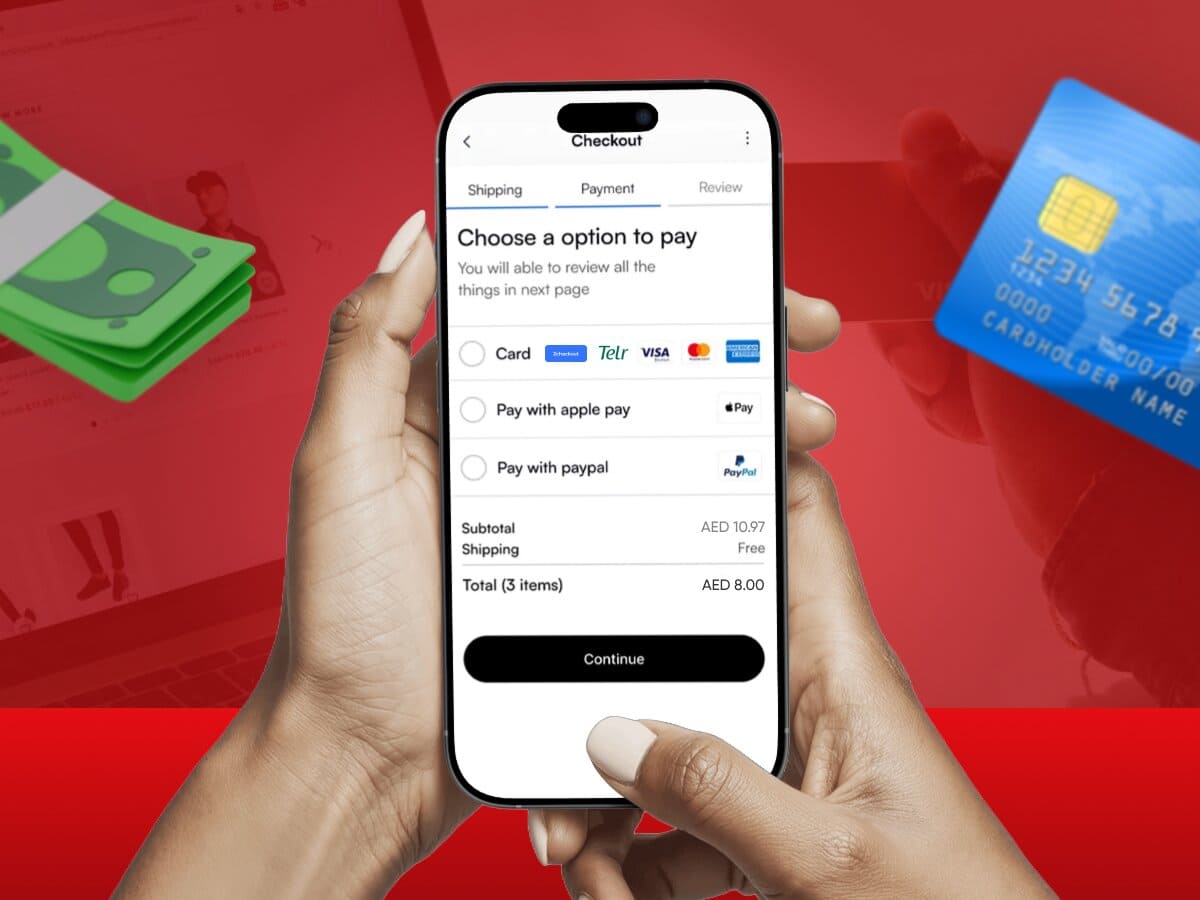
Your payment method can significantly impact the final price.
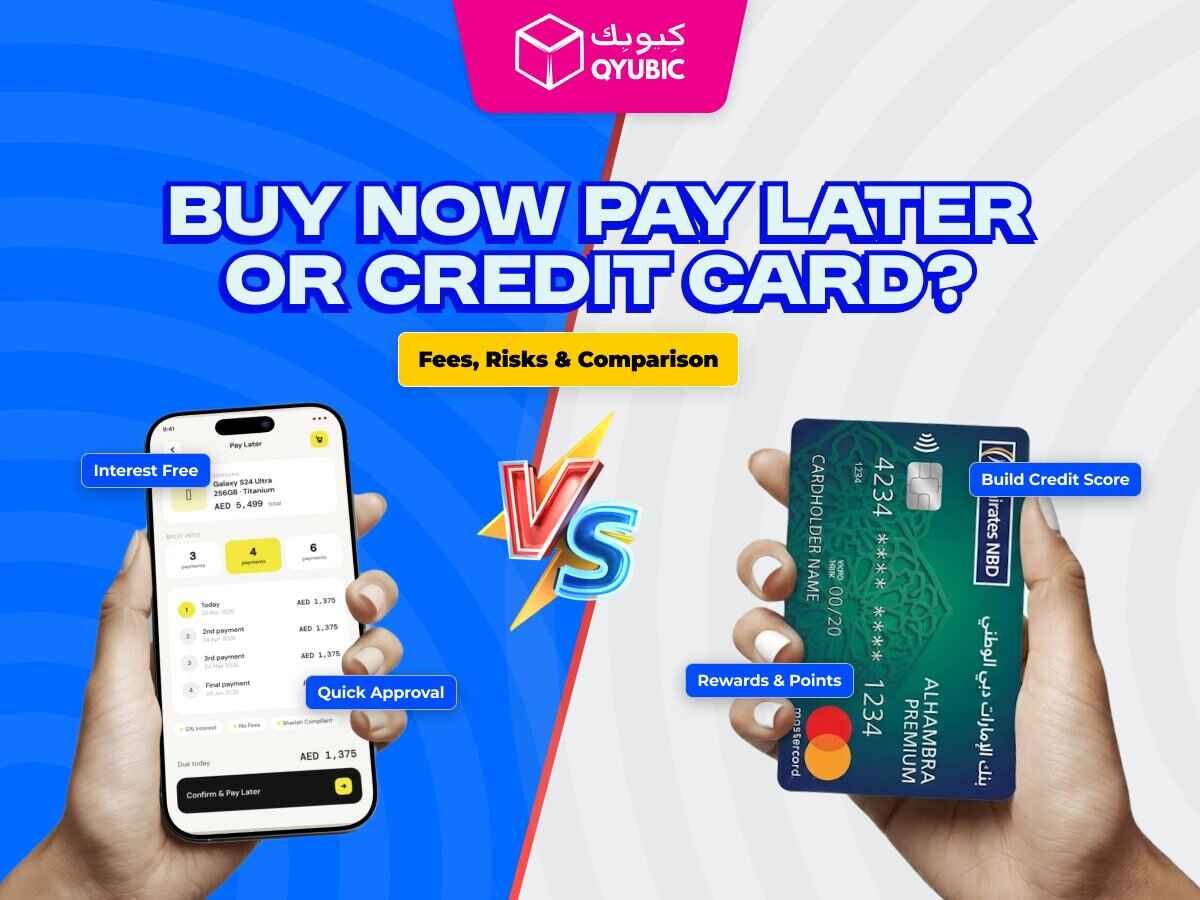
In the UAE, digital payments and installment options are widely adopted, especially in cities like Dubai, Abu Dhabi, and Sharjah. Services like Tabby and Tamara allow shoppers to split purchases into interest-free payments, which helps lock in discounts without the need to pay upfront.
At the same time, food delivery and quick-commerce services have become part of everyday life, adding AED 8–15 delivery fees and service charges to each order. These small costs, if not optimized, can easily add up to hundreds of dirhams a month.
How Payment Choices Impact Your Costs
Several factors influence the real cost of an order:
- Cashback & Reward Cards: Many credit cards offer 5–6% cashback on categories like groceries, dining, and fuel. Using the right card reduces your price directly at checkout.
- Installments & BNPL: Services like Tabby and Tamara allow you to spread large purchases into interest-free payments, letting you take advantage of sales events without paying the full amount upfront.
- Delivery & Service Fees: Online orders often come with extra charges such as delivery fees, service fees, and small-order fees, which are applied before VAT. These unnecessary costs increase both the base price and the tax.
How to Optimize Checkout for Maximum Savings
Follow this sequence to capture the biggest savings.
1. Start with sale discounts
Shop during major campaigns such as Ramadan promotions, Payweek offers, or platform sale events.
2. Apply coupons or bank codes
Promo codes usually apply before VAT, reducing the price further.
3. Minimize delivery fees
- combine items to reach free-delivery thresholds
- use delivery subscriptions only if you order frequently
4. Choose the right payment method
- Large purchases → use 0% installments or BNPL
- Smaller purchases → use the best cashback card
How Much Can You Save?
Optimizing checkout costs can create noticeable savings.
For example, using:
- 5% cashback
- free delivery
- occasional promo codes
can reduce overall purchase costs by 10–25% compared with paying without these benefits.
For households that frequently shop online or order delivery, these savings can add up to hundreds or even thousands of dirhams each year.
Common Pitfalls to Avoid
- Missing installment payments, which may trigger fees.
- Choosing installment plans that include hidden processing charges.
- Ignoring delivery or service fees when calculating the final price.
- Using the wrong credit card and missing available cashback rewards.
9. Take Advantage of Bulk & Bundle Purchasing
Bulk and bundle deals can significantly reduce the per-unit cost of products you regularly buy. Hypermarkets and electronics retailers across the Emirates frequently run promotions such as BOGO (Buy-One-Get-One), “buy more save more,” and product bundles.
Where to Find Bulk & Bundle Deals
| Retail Category | Common Offers |
| Hypermarkets | BOGO, buy-2-get-1, and “stock-up” deals on groceries and household items |
| Electronics retailers | Device bundles such as TV + soundbar or phone + accessories |
| Seasonal campaigns | Ramadan grocery promotions, DSF deals, and White Friday sales |
Stores like Carrefour, LuLu, and Sharaf DG often highlight these offers in weekly catalogues and major promotional campaigns.
How to Use Bulk & Bundle Deals Smartly
- Focus on essentials : Buy in bulk only for items you regularly use, such as rice, cooking oil, detergents, tissues, or canned goods.
- Check the per-unit price : For BOGO offers, calculate whether the effective price per item is truly lower.
- Verify electronics bundles: Compare the price of bundled items with their individual prices to confirm the bundle offers real savings.
- Time purchases with sale events : Large promotions during Dubai Shopping Festival, Ramadan sales, or White Friday often include additional bundle discounts.
How Much Can You Save?
Savings vary depending on the promotion:
- BOGO grocery deals: roughly 50% per-item savings if both items are needed.
- Stock-up campaigns: often advertise up to 40–50% discounts on essentials.
- Electronics bundles: may reduce the total price by AED 150–500 or more compared with buying items separately.
These savings can increase further when combined with coupons, loyalty points, or bank discounts.
Common Pitfalls to Avoid
- Buying perishable items in large quantities that may expire.
- Choosing bundles that include unnecessary accessories.
- Missing additional discounts because bundles exclude promo codes.
- Waiting too long and finding deals out of stock.
Conclusion
Maximizing discounts in the UAE isn’t about waiting for random sales to pop up—it’s about being strategic and knowing the right tactics to make the most of every opportunity.Now that you have the tools and strategies, it’s time to put them into action. Start planning your shopping trips and make the most of every discount that comes your way. Happy shopping, and here’s to saving more than ever before !
FAQs
1. Is shopping at outlet malls cheaper than big online sales in the UAE?
Not always. Outlet malls offer 30–90% off past-season items, but online sales like Ramadan or White Friday often match or beat these prices on current products, especially when stacking promo codes and cashback.
2. Are Buy Now, Pay Later services like Tabby and Tamara interest-free?
Yes, but only if you pay on time. Late payments trigger fees, and repeated delays can hurt your credit score.
3. What should I check before buying discounted items in the UAE?
Always review the return policy for timeframe, condition, and exclusions. Check if sale items are refundable, and whether refunds go back to your original payment method.
4. How do BNPL plans differ from bank instalment plans?
BNPL plans are short-term and interest-free if paid on time. Bank instalments are longer (3–24 months) and may have processing fees, even with 0% interest.
5. What if a store refuses a refund on a defective discounted item?
Document the defect and remind the store of your legal rights under UAE consumer protection law. If unresolved, escalate to consumer protection authorities.